
We’ve been making progress in planting our butterfly garden, and now we’ve moved onto the next phase… bees!
I’ve been researching citizen science programs that might be fun for me and my son to do together. I love the idea of being a citizen scientist, helping in our own way to assist real scientists by providing data collected from our own yard.
The first one we’re going to participate in is “The Great Sunflower Project“, aka, the Backyard Bee Count, a citizen science project through San Francisco State University. Apparently, little is known about urban pollinators, although it is understood that the population of urban bees is in decline. The hope is that urban gardens and restored areas can grow and create a connection to natural habitats, creating a greater environment for native bee populations to thrive.
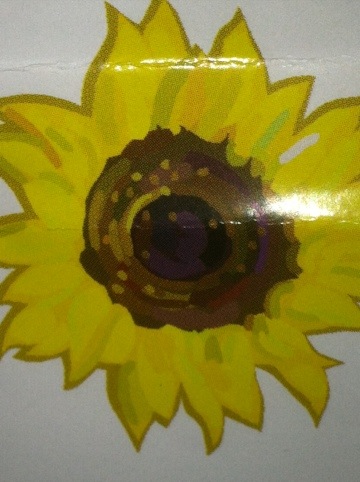
In order to participate in this project, we had to plant sunflowers. Specifically, Lemon Queen Sunflowers. The researchers are trying to make each garden as similar as possible. However, though less desirable, it is also OK to use the following flowering plants instead…
- Bee balm
- Cosmos
- Rosemary
- Tickseed
- Purple coneflower
Earlier this week, we ordered our seeds from Renee’s Garden (www.reneesgarden.com), the nursery working with the researchers at S.F. State. We’re going to grow the requisite sunflower and also cosmos in a variety of bright colors. We already have a mature, thriving rosemary bush. Though not included in the study, the bees will love the salvia (sage) we’ve planted once they flower. Strangely, I have never attempted to grow flowers before. The sunflower and cosmos will be a new experience for me. I’m curious to see how this goes! And of course children love sunflowers, with their huge size and height. The Lemon Queen variety may grow to six feet! If our sunflowers grow to even close to this size, my son is going to freak out.
Once we have some flowers blooming, the instructions are pretty simple. Collect data once or twice a month during the summer and for as many months as we have flowers. What does data collection entail? Download a provided data sheet and head into the backyard with a pencil and a watch. Get comfortable next to the sunflower, and record all the bees seen for the next fifteen minutes. Easy! A camera is also recommended to take photos of the bees for identification purposes. Then submit the data to the researchers.
I’ll keep you updated throughout the study!
Interested in participating? Check out the website… www.greatsunflower.org
Related articles
- Beeeee Nice To Bees (yardlovertimes.com)
- What You Can Do To Help Save The Bees (organibees.wordpress.com)
- Favorite English Garden Bee Plants – Variegated Weigela Florida (romancingthebee.com)
- Bring on the Butterflies… (anaturemom.com)
- Bring Wildlife to Your Home – Create a Backyard Wildlife Habitat (anaturemom.com)
- Favorite English Garden Bee Plants – Marguerite Daisy (Argyranthemum frutescens) (romancingthebee.com)



 The Tangled Trail
Please Comment