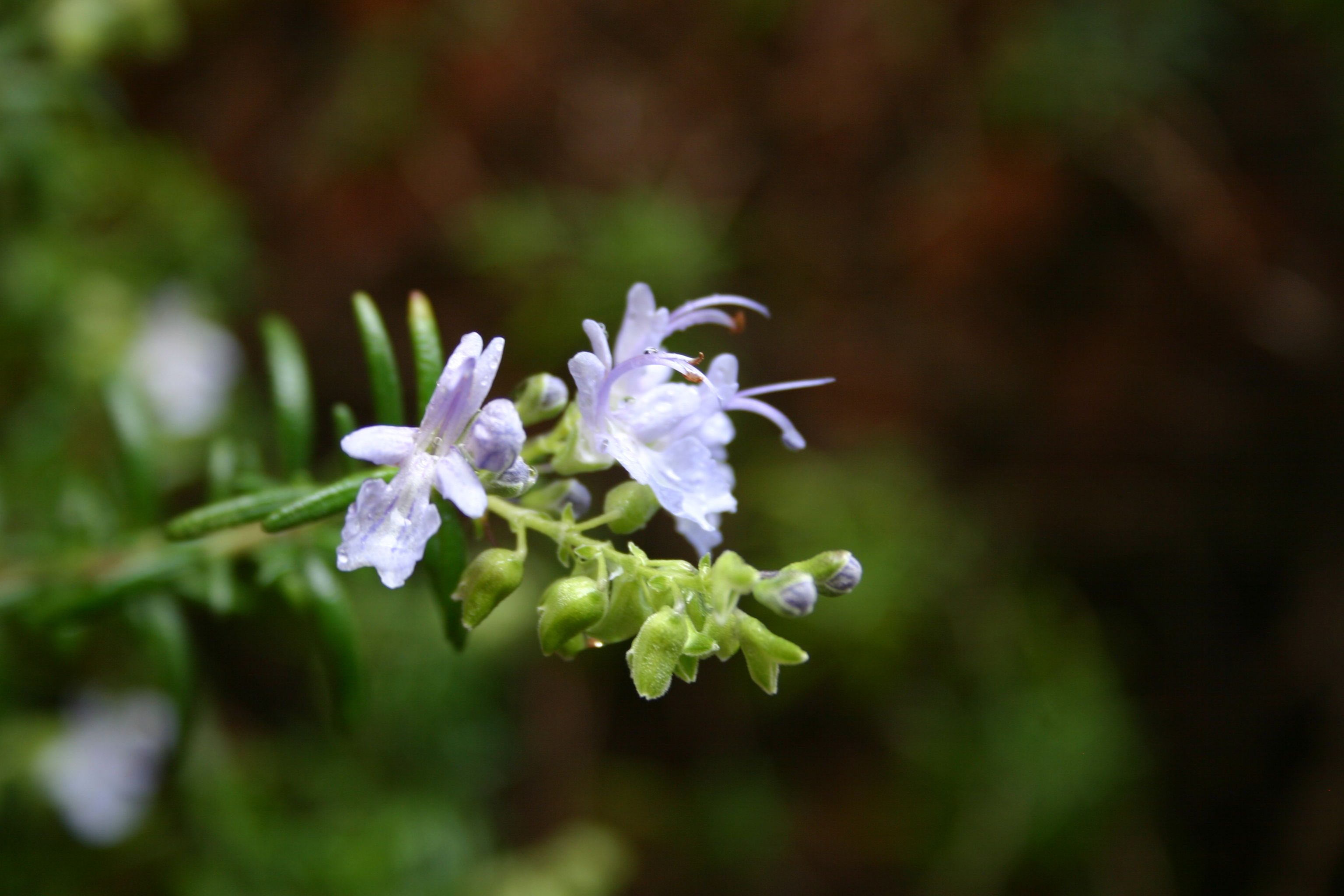
 Today my son and I began working towards making our backyard into a Certified Wildlife Habitat, per the guidelines provided by the National Wildlife Federation (NWF). I figured it would be best for my four-year-old if we only focus on one aspect of certification at at a time. Our focus today? Step one: Provide Food for Wildlife.
Certification requires that the backyard provide three food sources, selected from the following list:
- Seeds
- Nuts
- Berries
- Fruits
- Nectar
- Sap
- Foliage / Twigs
- Pollen
- Supplemental Feeders
- Seed
- Suet
- Hummingbird
- Squirrel
- Butterfly
This was a fun, educational activity to work through with my son. What in our yard is food for wildlife? What could we add that wildlife could eat? What animals might eat each of the items on this list?
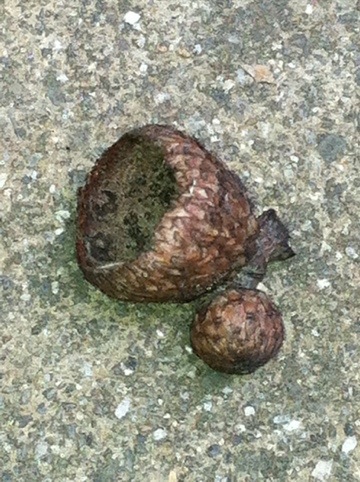
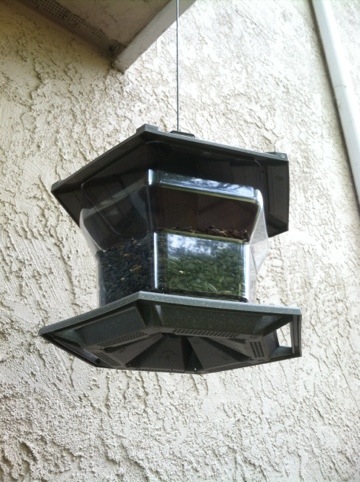
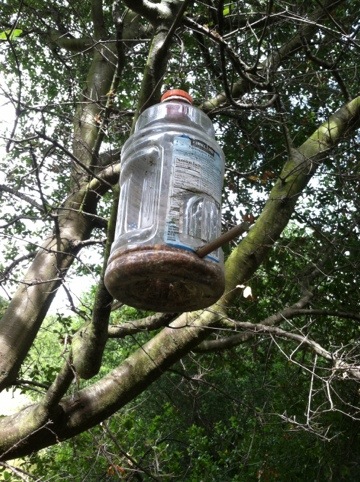
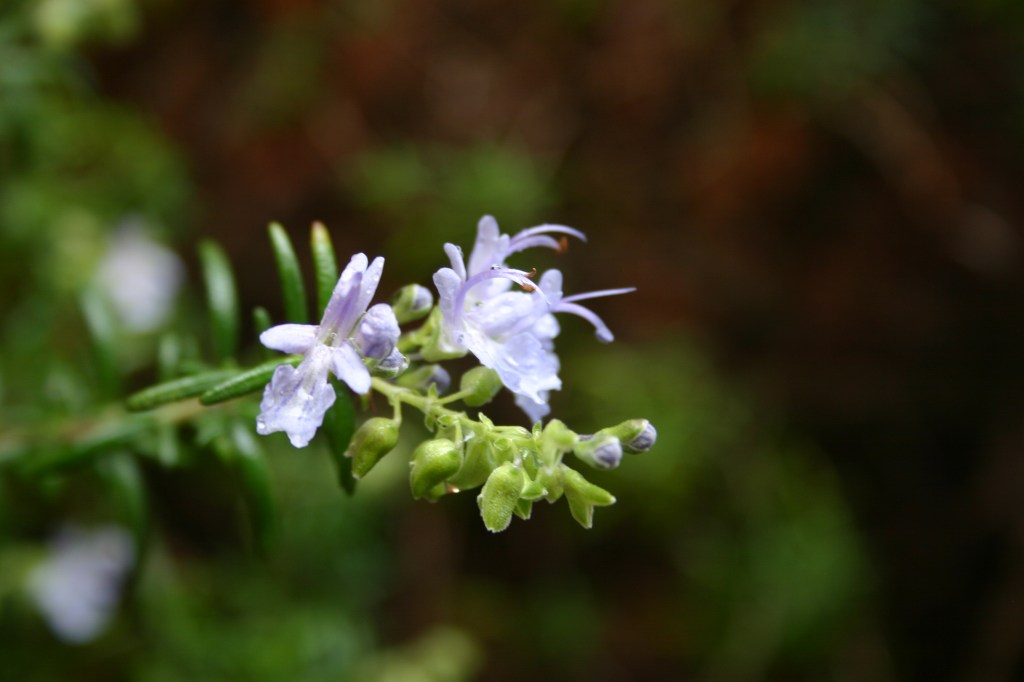
We decided our yard provides nuts (acorns from the oak tree), nectar (the rosemary flowers), and seed (supplemental bird feeders). We have some room in the yard for additional plants. I’m researching native species to plant that will provide additional food sources for wildlife, especially birds and butterflies. Whatever we grow will have to like shade, as the oak tree dominates our little yard.
My son is loving this project! We spent almost the entire day in the backyard, sweeping and fixing up the yard for summer. Here are a few additional photos of our food sources…
Related articles
- Bring Wildlife to Your Home – Create a Backyard Wildlife Habitat (anaturemom.com)
- Creating Our Backyard Wildlife Habitat: Step Two, Supply Water (anaturemom.com)
- Creating our Backyard Wildlife Habitat: Step Three, Create Cover (anaturemom.com)
- Creating our Backyard Wildlife Habitat: Step Four, Homes for Wildlife (anaturemom.com)
- Bring on the Butterflies… (anaturemom.com)



 The Tangled Trail
Please Comment