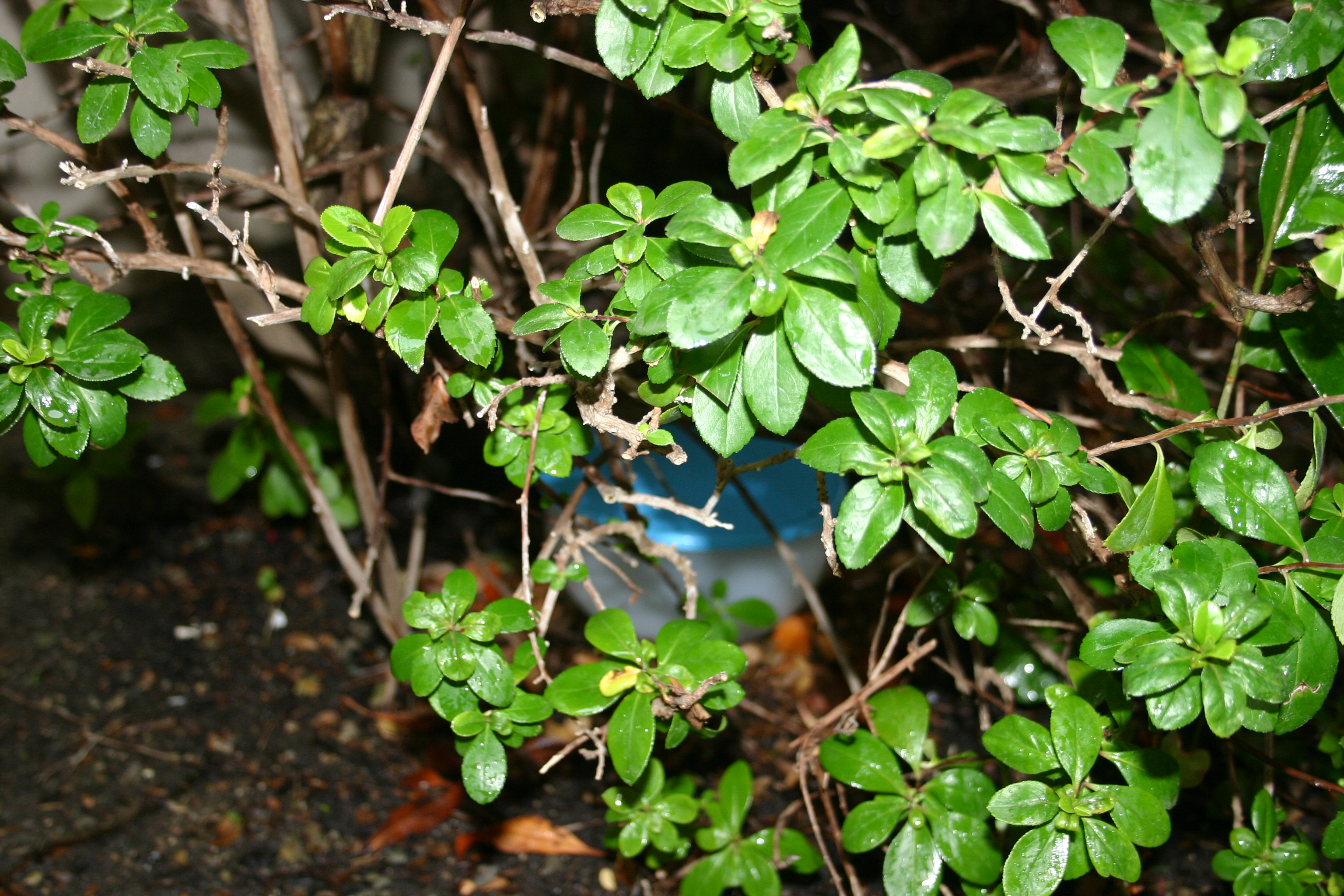
 Letterboxing has been around forever (well, at least, a few hundred years), but I just learned about it within the past year. Though I’ve been interested in trying it out with my son, it somehow seemed a bit overwhelming just to get started. But now I’m ready to begin. If you’re new to letterboxing, like I am, I’m going to provide you with the basic information here to help you get started. It’s actually pretty simple.
What is letterboxing? Basically, it’s a treasure hunt. Someone has gone out (to a park, a nature area, or some other public place within a city) and hidden a plastic container or metal box filled with a stamp and a logbook. Then he or she has created clues to help others find the box. These clues are put online for others (you and me) to follow in order to find the hidden box. Clues may be straightforward instructions, a riddle, a rhyme, or may require the utilization of a compass. There are thousands of boxes hidden throughout the United States.
What do you need to participate in letterboxing? You really only need a few things to get started…
- Rubber stamp: You’ll need to either buy or make a rubber stamp in order to participate. This is your “signature stamp.” We created ours by cutting out a design on a rubber eraser with an exacto knife. You’ll use this stamp to mark in the logbook (there is one in each letterbox) to prove that you’ve found the box.
- Ink pad: For use with your rubber stamp.
- Logbook: To record your finds. We’re going to use a small unlined spiral-bound pad of art paper (thick paper is reportedly better). When you successfully locate a box, you’ll mark your log book with the stamp provided in the box.
- Pencil: To record the date and location of your finds in your logbook, and, if desired, to write down any notes.
- Plastic bag: To hold your rubber stamp, ink pad, and pencil (prevents ink from spilling into your backpack or bag)
- Compass (maybe): This is not necessary unless you decide to find a box hidden with clues which use words such as degrees, bearing, or heading.
- Backpack or bag: To comfortably carry all these items, as well as drinking water and snacks.
How do you select a letterbox to go out and find? Simply go online. Following are the two largest websites.
- Letterboxing North America: To find out where a box is hidden in your area on this site, under the “Letterboxes” tab, select “Search Clues.” Fill out the information to find a box hidden in the region where you live. Select a box name, and there you’ll find the clues. Read through to determine if the clues are appropriate for the individuals who will be participating in the hunt (for kids, direct clues will be better than a riddle, at least until the kids are older).
- Atlas Quest: On this site, to find letterboxes hidden in your area, look under the “Letterboxes” tab. Select your state, and then your city. I found a lot more letterboxes in my area using this site than the Letterboxing North America site. Again, read through to determine if the clues are appropriate for the individuals who will be participating in the hunt.
Interested in learning more about letterboxing? First, I highly recommend you read this short pamphlet, Letterboxing 101. Then browse through the two main websites for letterboxing that I listed above (Letterboxing North America and Atlas Quest). Both sites provide a wealth of information for the newbie.
We’re going to go on our first letterboxing treasure hunt in a few days, and I’ll report about how it goes. Wish us luck!
Related articles
- Letterboxing: The Search for the Gingerbread Man (anaturemom.com)



 The Tangled Trail
Please Comment